



All Services
24/7 ONLINE SUPPORT
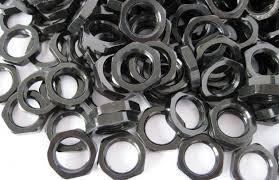
Tin Plating Services
Tin plating is a versatile and highly effective surface finishing process that provides excellent corrosion resistance, superior solderability, and enhanced electrical conductivity for metal components. It creates a smooth, uniform coating that protects the base metal from oxidation and environmental exposure while maintaining reliable performance in demanding applications.
Widely used in electrical, electronic, automotive, telecommunications, and industrial sectors, tin plating is particularly valued for components that require strong conductivity and dependable soldering characteristics. The coating helps improve product longevity, reduce maintenance requirements, and ensure consistent performance in challenging operating environments.
Our precision tin plating process delivers high-quality finishes with excellent adhesion, uniform thickness, and long-lasting protection. Whether for electrical connectors, terminals, fasteners, or engineered components, tin plating offers a cost-effective solution that combines functionality, durability, and reliability.
Service is a challenge for most operators: Different OEMs, different equipment, different cost structures, various contracts, inconsistent service levels, all kinds of people you have to talk to. But in the end, it all needs to come together as one. So what if you could do it all with a single trusted provider who’s accountable for delivering the consistent quality performance you expect?
That service is available now. Welcome to Omnicare. PrimeServ Omnicare is a one-stop service and maintenance solution that brings you locally available expertise backed by the global knowledge infrastructure of a major OEM, in trusted MAN-quality and reliability.
Tin Plating Capacities (per finish type)
Barrel Tin Plating:Up to 32,000 pounds per day.
Rack Tin Plating: Up to 60,000 square feet per day.
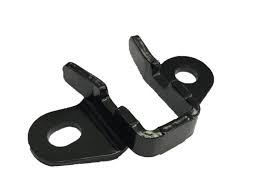
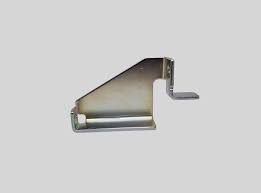
Common Applications & Specifications of Tin Plating
Tin plating is extensively utilized in the electronics industry due to its excellent ability to prevent oxidation and corrosion of the base metal, ensuring long-term solderability and reliable electrical performance. In certain electronic applications, tin-lead coatings are employed to minimize the formation of metallic whiskers—microscopic conductive filaments that can develop under stress and potentially lead to electrical short circuits. This makes tin plating an ideal choice for electronic connectors, terminals, circuit components, and other precision electrical applications.
| Atomic Number | 50 |
| Atomic Weight | 118.71 |
| Crystal Structure | Tetragonal |
| Color | Silvery Lustrous Gray |
| Density | 5769 kg/m³ |
| Melting Point | 231.9°C |
| Boiling Point | 2602°C |
| Specific Heat Capacity | 27.112 J/kg°C |
| Thermal Conductivity | 66.8 W/m°C |
| Specific Electrical Resistance | 115 nΩmm |
| Young’s Modulus of Elasticity | 50 GPa |
| Hardness | 1.5 Mohs |
| Coefficient of Friction (Tin on Iron in Air) | 0.32 |